“Money loves water. When it flows, it grows. When it sits, it evaporates.”
It’s one of the most quietly profound financial truths ever spoken — and yet, most professionals treat their income the way they treat a swimming pool: they fill it up, put a cover on it, and hope nothing leaks out.
That’s not a wealth strategy. That’s a waiting game you will lose.
The real question — especially right now, in 2026, as AI reshapes every industry from manufacturing to medicine — isn’t how do I protect my money? It’s how do I keep it moving?
The answer is not another savings account. It’s not a crypto gamble or a real estate spreadsheet fantasy.
It’s you. Specifically, the skills you carry inside your head, the credentials behind your name, and the strategic value you provide that no algorithm has figured out how to automate — yet.
This is the blog post that changes how you think about your career, your earning power, and what it really means to invest in 2026.
Skills Are the New Currency: When Financial Systems Shift, the Safest Wealth Is You
The Water Principle: A Framework for Career Economics
Ancient philosophers understood something about water that modern economists have forgotten. Water that flows carves canyons. Water that sits becomes a breeding ground for stagnation.
Money operates by identical physics.
When income flows into assets, skills, and growth vehicles, it multiplies through compound returns. When it sits in a checking account — or worse, when it remains locked inside a stagnant career with no upward momentum — it quietly erodes under the twin pressures of inflation and irrelevance.
Here’s what that looks like in real numbers:
A mid-level project coordinator earning $67,000 per year who stays in place for five years doesn’t hold steady — they fall behind. Inflation alone erodes roughly 15–18% of their purchasing power over that window. Meanwhile, a peer who invested those same five years in earning a PMP® Certification can expect an average salary premium of $16,000–$23,000 per year, according to PMI’s Earning Power: Project Management Salary Survey.
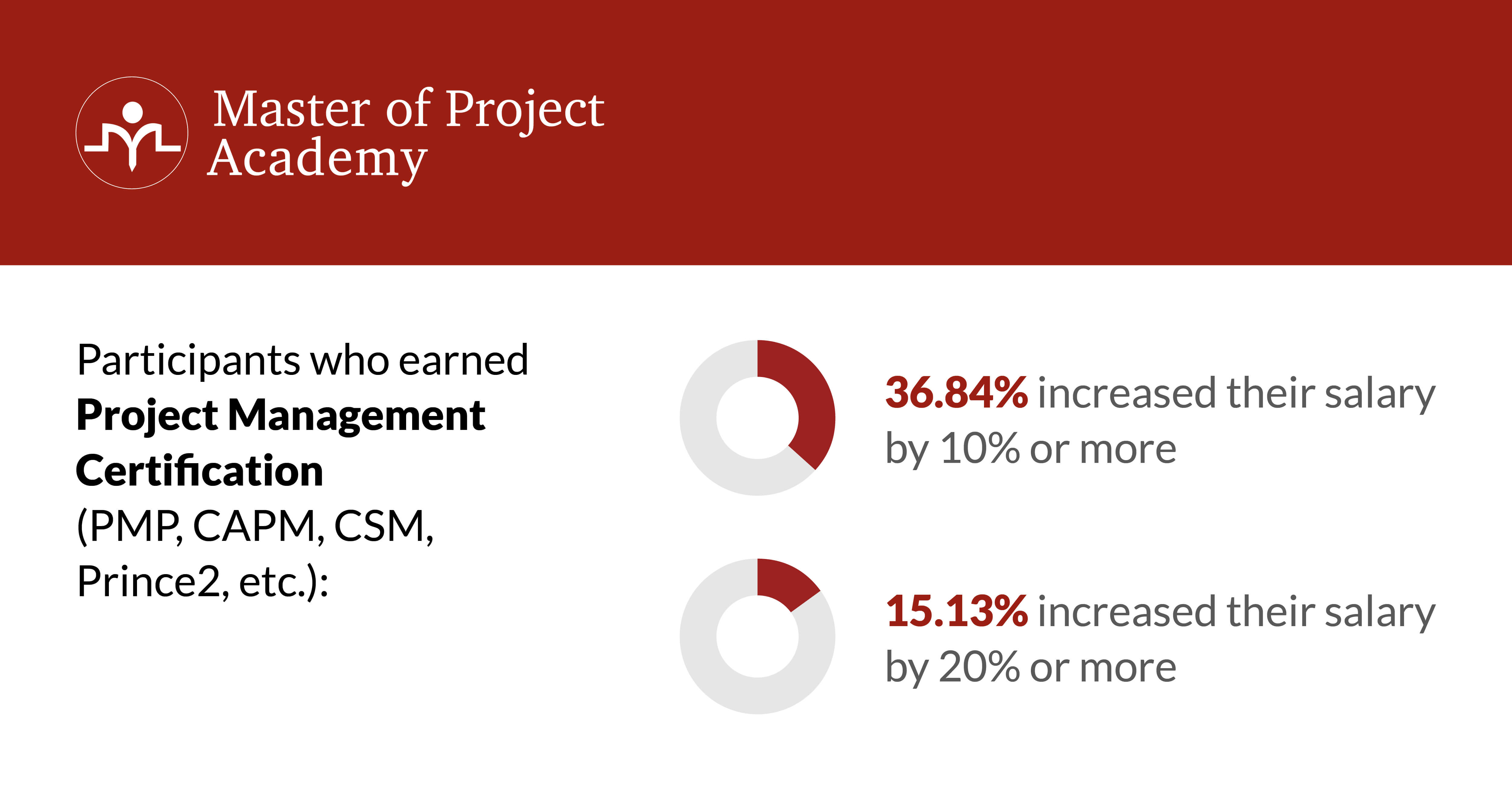
That’s not a raise. That’s a career redirection. That’s money learning to flow.
The professionals who thrive in the next decade won’t be the ones who worked hardest at standing still. They’ll be the ones who channeled their resources — time, tuition, effort, focus — into high-velocity skill assets.
Mastering the Top 11 In-Demand Skills for a Thriving Career
The AI Economy Is Not Coming. It’s Already Here.
Let’s be direct about something that too many career coaches are dancing around.
AI disruption is not a future threat. It’s a present reality. And the emotional response most professionals are having to it — what researchers are now calling “AI-panic” — is leading them to make one of two catastrophic mistakes.
Mistake #1: Paralysis. Doing nothing because the landscape feels too volatile to invest in.
Mistake #2: Random pivoting. Chasing shiny AI certifications and tool-specific badges that will be obsolete in 18 months.
Both responses share a common flaw: they treat skill-building as a reaction rather than a strategy.
The professionals who are genuinely insulated from AI disruption right now share a very specific profile. They don’t just do work. They orchestrate, govern, secure, and lead the work that AI executes. They are the decision layer above the automation layer.
What Project Managers Can Learn About Economic Volatility?
This is not a philosophical argument. It’s a market signal backed by data.
According to LinkedIn’s 2025 Workforce Report, the roles seeing the fastest compensation growth are not the ones being replaced by AI — they’re the ones directing it: project managers, agile leaders, cybersecurity architects, and risk strategists. The demand for PMP-certified professionals grew by 33% year-over-year in Q4 2025. PMI projects a global need for 25 million new project management roles by 2030.
The machines are doing more. That means someone has to manage more. That someone should be you.
How PMP Holders Stay Indispensable in an AI-Driven Global Economy
The Three Channels Where Money Grows: Assets, Skills, and Growth
Financial educators often define assets narrowly — stocks, real estate, bonds. But the most powerful asset class in an AI-disrupted economy is one that can’t be repossessed, taxed at acquisition, or depreciated by a market correction.
It’s certified, demonstrable human expertise.
Let’s break down how the water principle applies across the three channels every serious professional should be actively flowing into.
The New Project Team: Humans and Bots (Autonomous AI Agents)
Channel One: Assets
Traditional assets — index funds, rental income, equity stakes — remain important. But their value is increasingly correlated with your ability to earn at a high level in the first place. The foundation of any asset-building strategy is a high-velocity income stream. That income stream depends on Channel Two.
Why Financial Savvy Is a Must-Have for Today’s Project Managers
Channel Two: Skills
This is where the real leverage lives.
Skills don’t depreciate the way physical assets do. A PMP certification earned today doesn’t lose value next year — it compounds. Every project you lead, every risk you mitigate, every stakeholder you align builds upon the credential foundation, turning a piece of paper into a career identity that commands premium rates.
The skills worth investing in right now aren’t just “hot” skills — they’re structurally necessary skills. The kind that sit at the intersection of human judgment, organizational complexity, and irreducible accountability. These are skills that AI cannot own because they require legal, ethical, and interpersonal responsibility.
The Future of Project Management: Embracing AI-Augmented Work by 2030
Channel Three: Growth
Growth isn’t just a direction — it’s a discipline. It means actively seeking environments, roles, and communities where your skills are stress-tested, expanded, and re-applied in new contexts. Certification is the starting point. The community, the methodology, and the continuing education surrounding that certification is what turns growth from a momentary spike into a compound curve.
The Certifications That Separate the Managed from the Managers
PMP® Certification: The Gold Standard of Project Leadership
If there is a single professional credential that has proven itself across economic cycles, industry disruptions, and geographic borders, it is the Project Management Professional (PMP)® Certification from the Project Management Institute (PMI).
Here’s why it remains the definitive differentiator in 2026.
The PMP® is not a software certification. It doesn’t teach you how to use a tool that will be replaced next year. It teaches you how to think like a project leader — how to navigate ambiguity, build aligned teams, manage scope and risk, and deliver outcomes under pressure. These are precisely the capabilities that AI augments but cannot replace.
PMP-certified professionals report salaries up to 33% higher than their non-certified counterparts in the same roles. In the Middle East, that premium can reach 40%. In North America, PMP holders routinely command six-figure salaries across industries including healthcare, technology, construction, finance, and government.
And here’s what most candidates don’t know: the PMP exam is changing significantly in July 2026, incorporating evolved content domains that reflect the hybrid and AI-integrated project environments of today’s workforce. Getting certified before this transition — using the current framework — or getting strategically prepared for the new exam is a decisive competitive move.
Master of Project Academy has guided over 500,000 students across 180+ countries to PMP certification success, with a 99.6% PMP exam pass rate that stands without peer in the industry. This isn’t marketing copy — it’s 15 years of instructional precision, iterative curriculum refinement, and a student-first learning philosophy that produces results.
👉 [Explore Master of Project Academy’s PMP Certification Course →]
PMI-ACP® Certification: Agile Fluency in a World That Doesn’t Stop Moving
If PMP is the gold standard for project leadership, the PMI Agile Certified Practitioner (PMI-ACP®) is the competitive edge for leaders who operate in fast-cycle, iterative environments — which, in 2026, is most of them.
Agile is no longer a software development methodology. It’s a leadership operating system adopted by marketing teams, product organizations, healthcare systems, and financial institutions navigating environments where requirements shift faster than traditional project plans can accommodate.
The PMI-ACP demonstrates that you don’t just understand Agile in theory — you can apply Scrum, Kanban, SAFe, Lean, and XP principles across real organizational contexts. In a hiring environment where “Agile transformation” is on nearly every C-suite priority list, this credential signals exactly what organizations need: someone who can lead the change, not just survive it.
PMI-ACP holders earn an average salary premium of $15,000–$20,000 above non-certified Agile practitioners. More importantly, they are positioned for roles that sit at the intersection of strategy and execution — the most protected and highest-compensated zone in any organization.
👉 [Discover PMI-ACP Certification Training at Master of Project Academy →]
CISSP: The Cybersecurity Authority That Organizations Are Desperate For
Here’s a data point that should stop every professional in their tracks.
Global cybercrime costs are projected to reach $10.5 trillion annually by 2025, and the cybersecurity workforce gap stands at over 3.5 million unfilled positions globally as of 2026. The demand is extraordinary. The supply of truly qualified professionals is not.
The Certified Information Systems Security Professional (CISSP) — governed by (ISC)² — is the preeminent credential in cybersecurity leadership. It validates not just technical competency but strategic security management, governance, and risk frameworks. CISSP holders are the people that organizations trust to architect, manage, and defend their most critical digital infrastructure.
The $5.2 Trillion Question: Why Data Management Will Make or Break Your Projects in 2026
The average CISSP salary in the United States exceeds $140,000 per year, with experienced professionals in financial services and government sectors exceeding $180,000+.
More to the point: as AI introduces new attack surfaces, automates threat generation, and complicates compliance landscapes, the demand for security leaders who understand both the technical and organizational dimensions of cybersecurity has never been higher. This is not a credential that AI is about to displace. AI is, in fact, the reason CISSP matters more now than ever.
👉 [Begin Your CISSP Certification Journey with Master of Project Academy →]
What Separates “Certification Holders” from “Certification Earners”
There’s a meaningful difference between someone who passed an exam and someone who earned a credential through genuine professional transformation.
The distinction isn’t semantic. It shows up in salary negotiations, leadership presence, and career trajectory.
The professionals who truly monetize their certifications — who turn those credentials into premium income streams and career capital — share a set of practices that go beyond memorizing study materials.
They apply while they learn. The best PMP candidates don’t just read the PMBOK® Guide — they map its principles to active projects they’re leading in real time, stress-testing the frameworks against actual stakeholder complexity.
They build a professional narrative. A certification is a headline. The story underneath it — the problems you solved, the teams you led, the outcomes you delivered — is what creates authority in interviews, performance reviews, and client conversations.
They invest in a learning environment that produces results, not just content. This is the single most important decision a certification candidate makes. The quality of instruction, the clarity of methodology, and the track record of the learning platform are the difference between passing on the first attempt and cycling through expensive retakes.
This is precisely why Master of Project Academy’s 99.6% pass rate is not just a statistic — it’s a commitment to the student outcome, not just the course delivery.
AI Won’t Replace PMP Holders—But It Will Replace Those Who Don’t Adapt (Here’s How to Win)
The Compound Effect: Why Starting Now Beats Starting “When the Time Is Right”
There is no perfect time to invest in yourself. There is only now, and later.
And here’s what “later” costs you in a skill economy:
A professional who begins PMP certification preparation today and earns the credential within six months enters the second half of 2026 with a premium credential, increased earning potential, and positioning ahead of the July 2026 exam change window.
A professional who waits another six months faces a new exam framework, a changed preparation landscape, and six more months of pre-certification salary — which, assuming that $16,000 annual premium, costs them approximately $8,000 in foregone earning power just from the delay.
Money that sits, evaporates. Time that passes, takes opportunity with it.
The compound curve of credential-driven career growth doesn’t reward waiting. It rewards early movers who make the commitment while others are still debating.
Frequently Asked Questions: What Leaders Need to Know About Strategic Skill Investment
Q: I’ve been a project manager for years without a PMP. Why do I need it now?
Experience is invaluable, but in 2026’s hiring and compensation environment, experience without a verifiable credential is increasingly subject to market skepticism — particularly as organizations implement more structured hiring criteria and AI-assisted candidate screening. The PMP doesn’t replace your experience. It validates it in a language that hiring managers, procurement officers, and executive sponsors universally recognize. Many seasoned professionals report that the PMP unlocked salary increases and opportunities that years of experience had not.
Q: Is the PMP certification worth it for someone not in a traditional project management role?
Absolutely — and this is arguably one of the most underutilized career levers in business today. Operations leaders, IT managers, product owners, construction supervisors, healthcare administrators, and financial analysts are all earning the PMP and applying its frameworks to roles that were never called “project management” but function exactly that way. The credential broadens your professional identity and opens lateral mobility across industries.
Q: How long does PMP certification preparation typically take?
Most candidates successfully prepare within 60 to 90 days with a structured study plan. Master of Project Academy’s curriculum is specifically engineered for working professionals, delivering the conceptual depth and exam-application skills needed without requiring you to pause your career. The average MoPA student reports passing on their first attempt with three to five hours of study per week over eight to twelve weeks.
Why 73% of Projects Fail: How Burn Rates Changes Everything About Learning Project Management
Q: What makes the PMI-ACP different from a Scrum Master certification?
The Scrum Master certification validates knowledge of one Agile framework. The PMI-ACP validates multi-framework Agile fluency — covering Scrum, Kanban, Lean, XP, SAFe, and more — and is backed by PMI’s global authority and recognition. For professionals seeking leadership roles rather than practitioner roles, the PMI-ACP carries significantly more weight in compensation negotiations and organizational positioning.
15 Unconventional Careers That Can Benefit from Agile Methodologies
Q: How should a leader prioritize between PMP, PMI-ACP, and CISSP?
The sequencing depends on your current role, industry, and five-year career target. A useful framework: if you lead cross-functional projects, start with PMP. If you operate in fast-cycle, digital-product environments, add PMI-ACP next. If your organization handles sensitive data, operates in regulated industries, or if you want to pivot toward technology leadership, CISSP is the strategic investment. Many of Master of Project Academy’s most successful students pursue PMP first, then build outward from that foundation.
Q: I’m worried AI will make project management obsolete. Should I still invest in PMP?
This question reflects a misunderstanding of what AI actually displaces — and what it amplifies. AI automates routine task execution, data aggregation, and pattern recognition. It cannot negotiate with a difficult stakeholder, rebuild team trust after a delivery failure, govern ethical risk tradeoffs, or take accountability for an organizational outcome. Project managers do all of these things. AI is making project managers more valuable by elevating their role from task coordinator to strategic orchestrator. The organizations investing most heavily in AI are increasing their demand for certified project leaders, not reducing it.
The AI Economy Needs PMP Leaders: 12 Ways PMP Holders Create Real Business Value
Q: What’s the ROI of investing in a Master of Project Academy course versus a lower-cost alternative?
The ROI question should never be framed as course cost versus course cost. It should be framed as: which investment is most likely to produce a first-attempt pass, immediate salary impact, and long-term career trajectory change? With a 99.6% pass rate and 500,000+ successful students, Master of Project Academy’s track record makes the cost comparison straightforward — a failed exam attempt costs hundreds of dollars in retake fees and months of delayed earning premium. The right program pays for itself many times over.
Why Project Management Specialists Beat General Learning Platforms Every Time?
Q: How do I get started if I’m not sure I meet the eligibility requirements?
Master of Project Academy provides eligibility guidance as part of the enrollment process. PMP eligibility requires a combination of professional experience and project hours that most mid-career professionals already possess — many candidates are surprised to discover they qualify sooner than they expected.
The Professionals Who Will Define the Next Decade Have Already Started
There’s a version of your career that stays where it is — competent, steady, increasingly anxious as automation reshapes the economy around it.
And there’s a version that flows.
The version that flows has a PMP badge on its LinkedIn profile and the strategic vocabulary to lead in any industry. It has Agile fluency that makes it valuable in fast-moving organizations. It has cybersecurity acumen that positions it above the compliance floor. It has a learning mindset that treats every dollar invested in skill development as a current-year asset with a multi-decade return profile.
Money loves water.
Your career earnings — your professional trajectory, your compensation ceiling, your market value — operate by the same principle. They don’t grow by sitting still in a job title you’ve held for three years. They grow when you move them into assets that compound: credentials, capabilities, and the community of serious professionals who share your commitment to excellence.
Master of Project Academy has built its entire educational architecture around this philosophy. Every course, every practice question, every live session, and every student success story reflects a singular conviction: the right skill, earned the right way, at the right time, changes everything.
Ready to Make Your Career Flow?
If you’ve read this far, you already know something that most professionals take years to figure out: the time to invest in yourself is not when you feel completely ready — it’s before the market forces your hand.
Here’s your next move:
👉 [Start Your PMP Certification — Join 500,000+ Successful Students →]
👉 [Explore the Full Master of Project Academy Course Catalog →]
Master of Project Academy is a globally recognized professional certification training provider with a 99.6% PMP exam pass rate and a community of over 500,000 certified professionals across 180+ countries. Our courses are designed for working professionals who demand outcomes, not just content.
Related Articles You’ll Want to Read Next:
- The July 2026 PMP Exam Changes: Everything You Need to Know Before You Register
- PMI-ACP vs. CSM: Which Agile Certification Gives You the Better Return?
- How PMP-Certified Professionals Are Thriving in AI-Integrated Workplaces
- CISSP in 2026: Why Cybersecurity Leadership Is the Recession-Proof Career Move
- The 90-Day PMP Prep Plan That Actually Works for Busy Professionals